
Pest control
How Often Should Pest Control Be Done in a UAE Home?
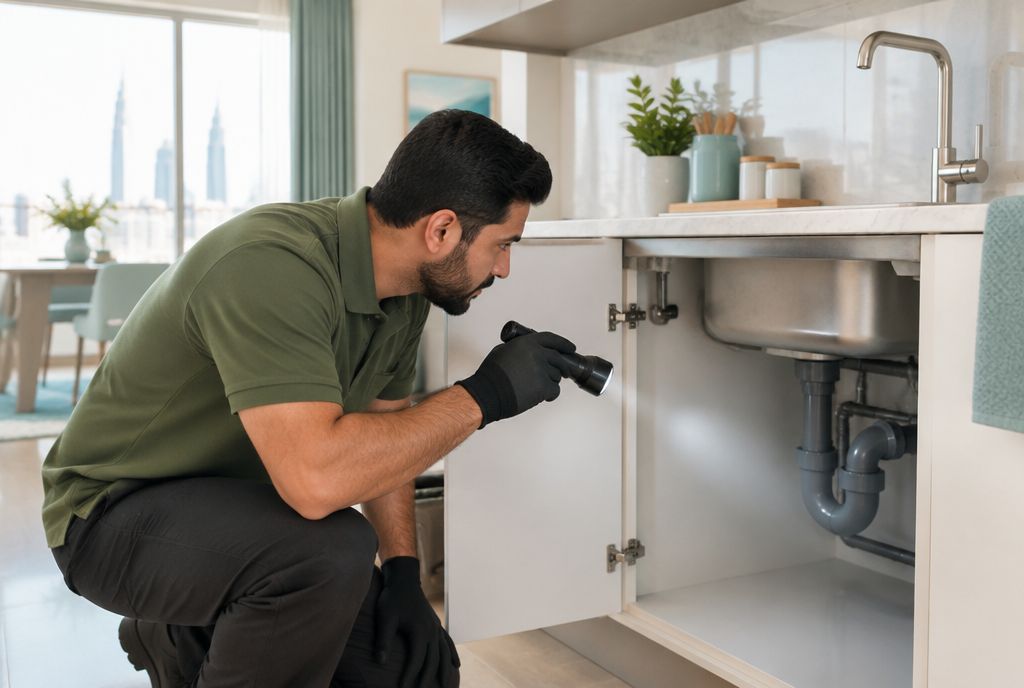
How often pest control should be done depends on your home, not the calendar. Many UAE apartments with no pest history only need treatment when a problem appears, while villas with gardens, homes in buildings with recurring cockroach problems, and homes with a history of infestation often benefit from scheduled preventive visits every few months. Monthly pest control is rarely necessary for a typical home, unless you're dealing with an active problem that your provider is treating in stages.
Two approaches: treat when needed, or prevent
There are broadly two ways to handle pest control at home:
- Treat when needed. You book a treatment when you see signs of pests, plus any follow-up that treatment requires. This suits homes where pests are rare.
- Scheduled preventive visits. A provider inspects and treats at regular intervals, catching problems before they grow. This suits homes where pests keep coming back or where the risk is higher.
Neither is right for everyone. The question is how likely pests are to get in, and how costly it would be if they did.
What affects how often you need pest control
Property type
Apartments share drains, ducts and chutes with neighbouring flats, so a well-kept home can still get cockroaches from next door. Villas have gardens, storerooms, roof spaces and outdoor kitchens, and face a wider range of pests, including rodents, mosquitoes and termites.
Pest history
If you've had bed bugs, an established cockroach problem or rodents before, more frequent checks for a while make sense, even after the problem seems solved.
The building and neighbours
In buildings where cockroaches are a known problem, a single flat's treatment may hold them back only for a while. Ask building management whether shared areas are treated, and how often.
Season and weather
Warm, humid months and the period after rain tend to bring more insect activity, particularly mosquitoes around standing water and ants looking for food and moisture.
Household
Homes with pets, food businesses run from home, or frequent travellers (bed bugs travel in luggage) may want closer attention. At the same time, if there are infants, pets or anyone with health conditions, you'll want to avoid unnecessary treatments, so prevention through good habits matters even more.
A practical guide
| Your situation | A sensible approach |
|---|---|
| Apartment, no pest history, building well maintained | Treat when needed; keep up good habits and watch for early signs |
| Apartment in a building with recurring cockroaches | Ask a provider whether scheduled visits make sense, and raise shared-area treatment with the building |
| Villa with a garden | Consider scheduled preventive visits; ask what interval suits your property |
| Active infestation being treated | Follow the provider's plan, including all follow-up visits, which may be close together |
| Moving into a new home | An inspection before you unpack, especially if the home was empty for a while |
Ask any provider to explain why they're recommending a particular frequency for your home. A good one will base it on what they found at inspection, not on a standard package.
Is monthly pest control necessary?
For most homes, no. Monthly visits can make sense for some commercial kitchens and food businesses, for buildings with a stubborn problem, or for a short period while an active infestation is being cleared. For a typical family home, treating more often than needed means more product in your living space without much extra benefit. If someone recommends monthly visits, ask what they found that makes it necessary, and what the plan is to reduce visits once the problem is under control.
Follow-ups are not the same as routine visits. Bed bugs and cockroaches often need a second treatment to catch insects that hatch after the first. That's part of treating one problem, not a sign that you need pest control every few weeks forever.
Spotting problems early means fewer treatments
The less established a problem is, the easier it is to clear. Check these regularly:
- Under the kitchen sink and behind appliances for droppings or small cockroaches. Small, light-brown cockroaches in the kitchen are often German cockroaches, which spread quickly; see German cockroaches in UAE kitchens.
- Mattress seams and bed frames, especially after travel or bringing in second-hand furniture. Our guide to the early signs of bed bugs explains what to look for.
- Storerooms, garages and roof spaces in villas, for droppings and gnaw marks.
- The garden and balcony, for standing water.
Habits that reduce how often you need treatment
- Keep food and pet food sealed, and don't leave bowls out overnight.
- Wash up and wipe the hob every evening.
- Empty bins daily and keep them closed.
- Fix dripping taps and dry the area under the sink.
- Keep drain covers in place and run water through rarely used drains.
- Deep clean the kitchen regularly, including behind and under appliances.
For an overview of common Sharjah pests and how to prepare for treatment, see the pest control guide for Sharjah. If you're not sure what your home needs, ask during a pest control assessment.