
Pet care
How to Choose a Pet Sitter You Can Trust
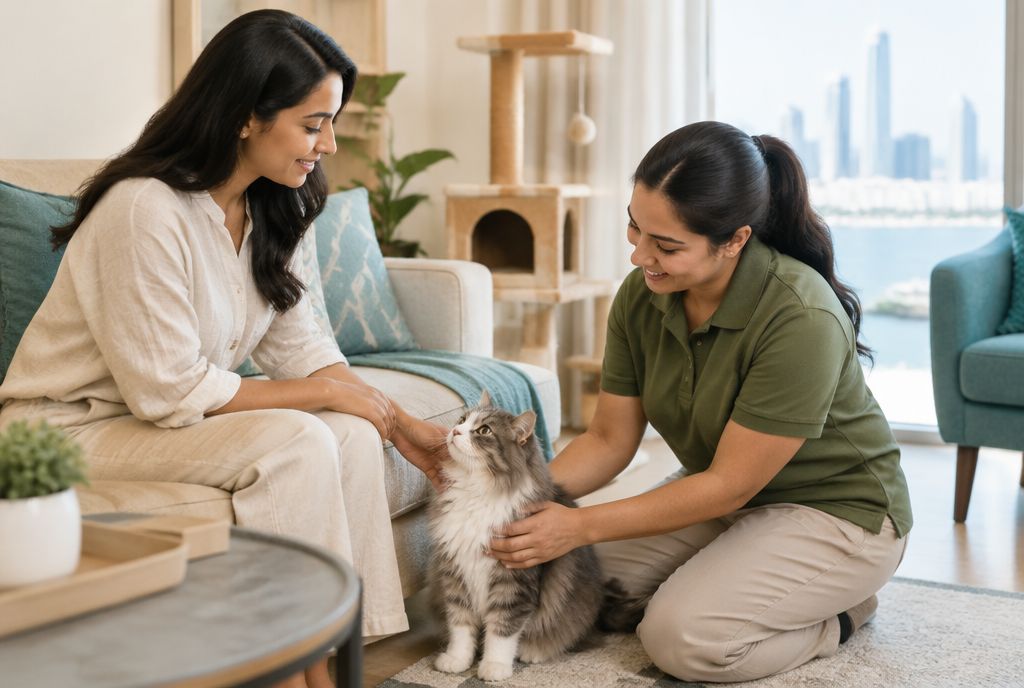
A good pet sitter is someone who turns up when they say they will, follows your routine exactly, and tells you straight away if something isn't right. The best way to find one you can trust is to ask specific questions, meet them before you travel, and judge them on how they behave with your animal, not on how confident they sound.
What a pet sitter actually does
A pet sitter looks after your animal in your own home while you're away or working long hours. Depending on what you agree, that usually means visits to feed, refresh water, clean litter trays or cages, give medication, play, and walk dogs. Some sitters also offer overnight stays, which suit animals that don't like being alone or need care late in the evening.
Because the sitter has your keys and your pet's wellbeing in their hands, trust matters more than almost anything else. Before comparing prices or availability, decide what the job involves so you can judge candidates against it.
Write down your pet's routine first
You can't tell whether a sitter is suitable until you know exactly what you're asking of them. Write a one-page routine covering:
- Feeding times, amounts and any foods that are off limits
- Medication, with timings and how your pet takes it
- Walk times, lead habits and any reactivity to other dogs
- Litter tray or cage cleaning routine
- Hiding places, fears and how your pet behaves with strangers
- Your vet's name and number, and an emergency contact in Sharjah
This sheet becomes the brief you hand over, and the standard you hold the sitter to.
How to find a trustworthy pet sitter
Personal recommendations from neighbours, your vet's clinic or other owners in your building are a good start. Whether you use an individual or a company, look for the same signs of reliability:
- Clear arrangements. They confirm visit times, what each visit includes and what happens if they're delayed.
- Experience with your type of animal. Caring for a large young dog is very different from caring for an elderly cat or a rabbit.
- A backup plan. Ask who covers if the sitter falls ill. Companies usually have more cover than individuals.
- Regular updates. Photos or messages after each visit show the work was done and let you see your pet is settled.
- Sensible questions. A good sitter asks about vaccinations, health and behaviour before they agree to anything.
Questions to ask a pet sitter
- How long is each visit, and what exactly happens during it?
- How will you update me, and how often?
- Have you given medication like my pet's before?
- What do you do if my pet seems unwell, stops eating or escapes?
- Who has access to my keys, and how are they kept?
- Who covers for you if you can't make a visit?
- When do you walk dogs during the hot months?
Pay attention to the walking answer. In the UAE, a sitter who plans midday walks in summer hasn't thought about the heat. Walks should happen at the cooler hours of the day, early morning and later in the evening.
Always do a meet-and-greet
Arrange for the sitter to visit while you're home, ideally a few days before you leave. Watch how they approach your pet. A good sitter lets the animal come to them, stays calm, and doesn't force contact with a nervous cat. Walk them through the routine sheet, show them where food, litter, leads and cleaning supplies are kept, and explain your building's access, parking and lift arrangements.
If you can, book a short trial visit or a single day of sitting before a long trip. It shows you how the updates work and gives your pet a chance to get used to a new person.
Before you hand over your keys: make sure your pet's vaccinations are up to date and the records are easy to find. Many sitting services, including Tip Top, only care for pets in vaccinated homes.
Red flags to watch for
- Vague answers about visit length or what's included
- No interest in your pet's health, medication or vaccinations
- Reluctance to send updates or photos
- No plan for what happens if they can't attend
- Rough or impatient handling during the meet-and-greet
- Plans to walk dogs in the middle of a summer day
Individual sitter or a company?
An individual sitter can offer a personal touch and the same face every visit. A company is more likely to have cover for illness, set procedures and a clear point of contact if something goes wrong. Neither is automatically better. What matters is whether the person who actually walks through your door is reliable, follows your routine and keeps you informed.
If you're weighing up whether home visits are right for your dog in the first place, our guide to dog sitting at home versus kennels compares the two. For a closer look at how visits run while you're away, read how pet sitting works in Sharjah.
Keep the arrangement working
Once you've found a sitter you trust, keep them. Pets settle faster with a familiar person, and a sitter who knows your home needs less briefing each time. Update the routine sheet whenever something changes, such as a new food or medication, and leave a note of any grooming that's due. If your dog needs a groom before or after a trip, a dog grooming visit at home avoids an extra outing.
At Tip Top, pet sitting includes feeding, fresh water, litter and medication on your schedule, with a photo update after every visit, and we offer overnight and travel care for dogs, cats and small animals.