
Pest control
Is Pest Control Safe for Pets and Children? Before and After
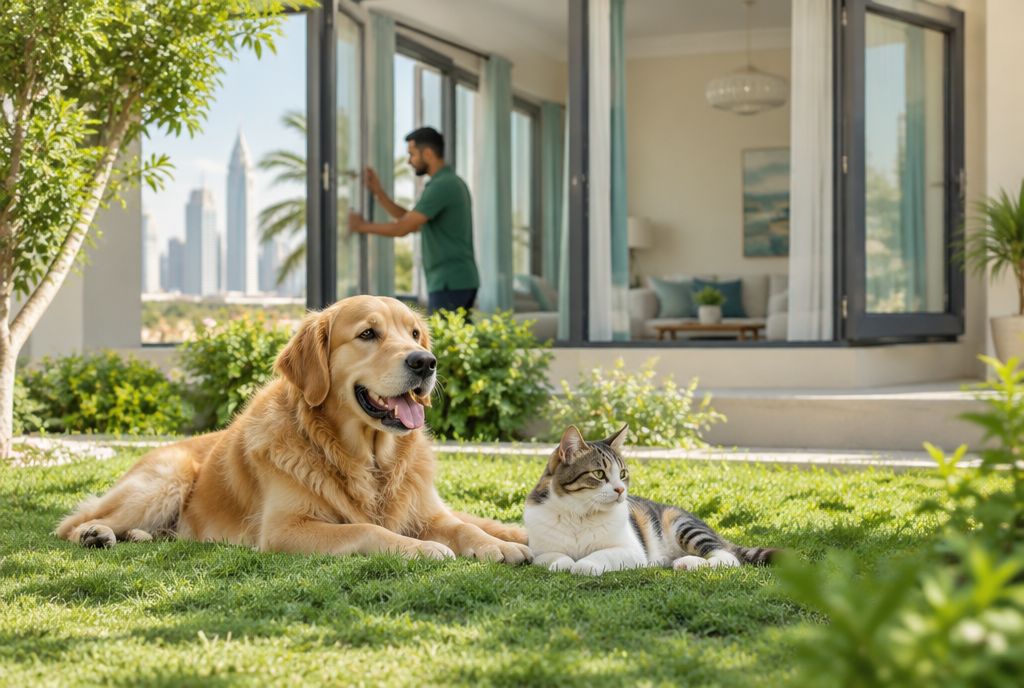
Pest control can be safe for pets and children, but only when the treatment is planned around them: the right method and products, clear re-entry times, and careful handling of food, bowls, toys and bedding. No treatment is automatically safe just because it's described as "pet-friendly". This guide covers what to ask, what to do before and after, and the extra care babies, dogs, cats, birds and fish need.
Is pest control safe for pets?
Most professional pest control products are designed to be used in homes, but they're designed to kill living things, so exposure matters. Risk depends on the product, how and where it's applied, how much of it an animal or child could touch, lick or breathe in, and how long they're kept away. Pets are often more exposed than adults: they walk on treated floors, groom their paws and fur, sniff along skirting boards and investigate bait stations. Cats are particularly sensitive to some products, and birds and fish can react to things that wouldn't affect a dog.
The safest approach is to tell the provider exactly who lives in the home, then follow their instructions to the letter.
Before treatment: what to ask the provider
- What products and methods will you use? Ask for the product names and safety information so you can check them, or show them to your vet or doctor.
- Where exactly will they be applied? Targeted treatment in cracks and voids generally leaves less on open surfaces than broad spraying.
- How long must people and pets stay out of each treated room?
- Are baits or traps being left behind, and where? Can children or pets reach them?
- Does anything need to be covered or removed? Aquariums, birdcages, pet beds, bowls and toys.
- When can I clean, and how?
Tell the provider about health conditions. If anyone in the home is pregnant, has a newborn, or has asthma or another health condition, or if a pet is elderly, unwell, pregnant or very young, say so when you book, and check with your doctor or vet before treatment.
Is pest control safe for babies?
Babies and toddlers crawl on floors, put their hands and toys in their mouths, and breathe faster than adults, so they need the most caution. General precautions:
- Take babies and young children out of the home during treatment, and keep them out until the provider says it's safe and treated surfaces are dry.
- Pack away toys, dummies, bottles, high-chair trays, play mats and baby bedding beforehand, or seal them in bags.
- Ventilate thoroughly when you return.
- Wipe down surfaces a child will touch or eat from, such as high-chair trays and the dining table, before use, unless the provider has said not to clean a particular spot.
- Check for baits under furniture and along skirting at a child's level.
Is pest control safe for dogs?
- Take your dog out of the home, or keep it in an untreated area well away from the work, during treatment.
- Pick up bowls, beds, toys, leads and chews beforehand.
- Keep your dog off treated floors and lawns until they're dry and the provider says it's safe.
- Wipe your dog's paws if it walks across an area you weren't sure about.
- Watch for bait stations; dogs are curious and determined. If you think your dog has eaten bait or a poisoned pest, contact a vet straight away.
Cats, birds, fish and small animals
| Animal | Extra precautions |
|---|---|
| Cats | Some products are particularly risky for cats. Ask specifically. Keep cats out of treated rooms and away from treated surfaces they might lick off their fur. Move the litter tray, food and water. |
| Birds | Birds are very sensitive to airborne particles and fumes. Move them out of the home, or well away from any treated area, and ventilate before bringing them back. |
| Fish | Cover aquariums tightly and switch off air pumps if advised, so they don't draw treated air into the water. |
| Rabbits, hamsters, reptiles | Move cages and enclosures out of treated rooms. Cover them if they can't be moved, and ask the provider. |
After treatment: signs to watch for
Most people and pets come home after treatment without any problems. Still, keep an eye out for anything unusual in the hours afterwards. In pets that includes drooling, vomiting, diarrhoea, trembling, unsteadiness, breathing difficulty or unusual tiredness. In children, look out for coughing, wheezing, rashes, vomiting or anything that worries you. If you notice any of these, contact your vet or doctor promptly, and have the product names from the provider ready. In an emergency, go straight to the nearest emergency service.
Cleaning safely afterwards
Wash pet bowls before refilling them, and wash pet bedding and soft toys if they were left in a treated room. Clean food-preparation surfaces before use. For everything else, ask the provider first, because wiping treated areas too soon can stop the treatment working. Our guide on what to do after pest control covers cleaning and re-entry in more detail. When it's time for a deeper clean, choose low-odour products. Tip Top uses low-odour, non-toxic products as standard, safe around children and animals.
Reducing how often you need treatment
Fewer treatments means less exposure. Keep pet food sealed and don't leave bowls out overnight, fix leaks, keep bins closed and deep clean the kitchen regularly. Our guide on how often pest control should be done explains how to decide between scheduled visits and treating only when needed, and the pest control guide for Sharjah covers preparation.