
Pest control
Rodent Control: Signs of Rats in a Villa and What Professionals Do
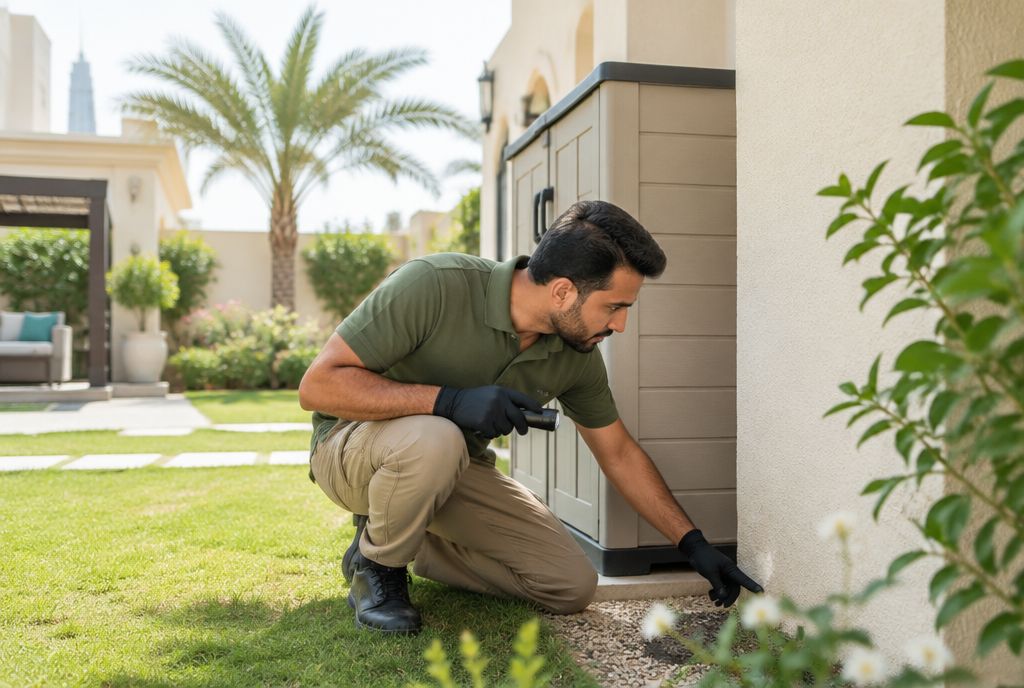
The clearest signs of rats or mice in a villa are droppings, gnaw marks, scratching noises at night and greasy rub marks along walls. Rodent control works best when you act early: professionals inspect to find how rodents are getting in and where they're nesting, then combine trapping or baiting with sealing entry points and removing what attracts them. Here's how to recognise the problem and what to expect.
Why villas attract rodents
Villas offer rodents more than apartments do. Gardens give cover and sometimes food in the form of fallen fruit, compost or bird seed. Storerooms, garages, roof spaces and outdoor kitchens are quiet places to nest. Gaps around pipes, AC lines, drains and garage doors give easy ways in. In the hotter months rodents also look for water, which they can find in irrigation lines, pet bowls, leaking taps and pool areas.
Signs of rats or mice in a villa
- Droppings along walls, in cupboards, behind appliances, in storerooms or in the garage. Fresh droppings are dark and moist; older ones are dry and crumbly.
- Gnaw marks on food packaging, wooden doors and frames, plastic pipes or cables.
- Noises at night: scratching or scurrying in the ceiling, behind walls or in the roof space.
- Rub marks: dark, greasy smears along skirting or around holes where rodents pass regularly.
- Nests of shredded paper, fabric or insulation in quiet corners.
- Burrows in garden beds or along boundary walls.
- Pets behaving oddly: dogs or cats staring at, sniffing or pawing a particular wall or cupboard.
- A strong, stale smell in enclosed spaces.
Don't sweep or vacuum droppings dry. Rodent droppings and urine can carry disease. Wear disposable gloves, ventilate the area, dampen droppings with a household disinfectant, wipe them up with paper towels and bag them. Wash your hands thoroughly afterwards. If anyone feels unwell after contact with rodents or their droppings, see a doctor.
What professionals do for rodent control
Methods vary between providers, so ask any company to explain its approach. In general, professional rodent control follows these steps:
- Inspection. The technician looks inside and outside: roof space, ceiling voids, kitchen, storerooms, garage, garden, boundary walls and drains. The aim is to work out which rodent it is, how many, where they're nesting and how they're getting in.
- A control plan. Usually some combination of traps and bait stations, placed along the routes rodents use. Bait stations used in homes should be tamper-resistant, so children and pets can't reach the bait.
- Exclusion. Advice on, or help with, sealing gaps around pipes, cables and AC lines, fitting door sweeps, and covering vents and drains with mesh. Without this, new rodents simply replace the ones removed.
- Monitoring visits to check traps and bait stations, remove any dead rodents and adjust the plan.
- Clean-up advice for droppings, nests and contaminated areas.
Questions to ask before treatment
- Where will traps or bait stations go, and can children and pets reach them?
- What happens if a rodent dies somewhere I can't reach, such as inside a wall?
- How many visits are included, and how often?
- Will you show me the entry points you found?
- What should I do if my dog or cat touches a trap or bait station?
If a pet may have eaten rodent bait or a poisoned rodent, contact a vet straight away, even if the animal seems fine. Our guide to pest control safety for pets and children has more on planning treatment around animals.
Reducing the risk in your garden and home
- Keep food, including pet food and bird seed, in sealed hard containers.
- Pick up fallen fruit and keep compost enclosed.
- Use bins with tight lids and keep them away from the villa walls.
- Cut back dense shrubs and climbers touching the walls, and trim branches overhanging the roof.
- Clear clutter from storerooms, garages and the roof, and store items off the floor.
- Fix dripping taps and irrigation leaks.
- Check that drain covers and vent covers are in place and intact.
Rodents, termites and other villa pests
Villas with gardens can face several pests at once. Wood damage in a villa isn't always from rodents; if you see hollow-sounding wood or mud tubes, read about termite signs and treatment too. For an overview of household pests in Sharjah and how to prepare for any treatment, see our pest control guide.
Getting help
Tip Top lists pest control among its services. If you've seen signs of rodents, ask about it during your pest control assessment, so the provider can tell you what's involved and plan the visit. What affects the cost of rodent control and other treatments is explained in pest control prices in Sharjah. Once the problem is under control, a thorough clean of the kitchen, storerooms and any affected areas removes droppings, nesting material and odours.