
Pet care
Ticks on Dogs in the UAE: Checking, Removing and Preventing
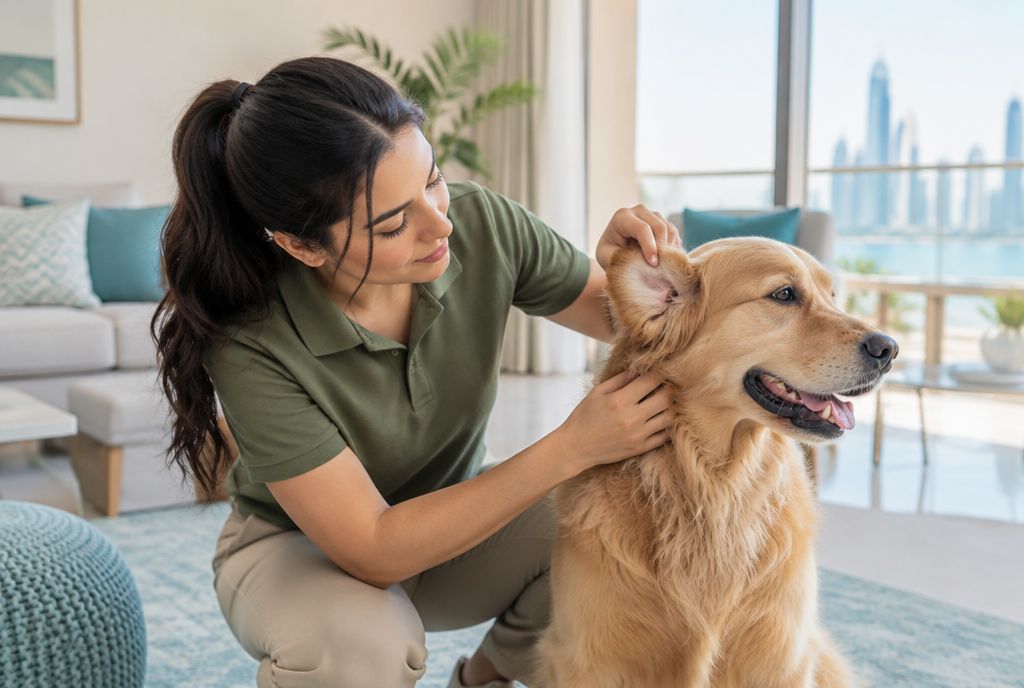
Ticks on dogs are a year-round concern in the UAE, especially for dogs that walk on grass, in parks or near other animals. The best defence is a quick check after every walk, careful removal of any tick you find, and a prevention plan from your vet. Here's how to check your dog, how to remove a tick safely, and when to see a vet.
What ticks are and why they matter
Ticks are small parasites that attach to the skin and feed on blood. Before feeding they can be as small as a sesame seed; once fed, they swell into a grey or brown bump that's easy to mistake for a skin tag or wart. Ticks can carry diseases that affect dogs, so finding and removing them promptly matters, and so does talking to your vet about prevention.
Some ticks can also live and breed indoors, in bedding, cracks and furniture. A single tick after a walk is common; finding ticks again and again suggests they may be in your home.
How to check your dog for ticks
Do a check after every walk, especially after grass, parks, desert edges or contact with other dogs. Run your fingers slowly through the coat against the direction of growth, feeling for small bumps. Pay most attention to:
- Inside and around the ears
- Around the eyes and on the head
- Under the collar or harness
- Between the toes and paw pads
- The armpits and groin
- Under the tail and around the rear
Thick or long coats make ticks harder to find. A fine-toothed comb and good light help.
How to remove a tick from your dog
- Stay calm and keep your dog still. Ask someone to hold and reassure your dog if you can.
- Wear gloves if you have them.
- Use fine-tipped tweezers or a tick removal tool. Grip the tick as close to the skin as possible, by the head or mouthparts.
- Pull upwards steadily and evenly. Don't jerk or twist sharply, which can leave mouthparts in the skin.
- Don't squeeze the tick's body, and don't crush it.
- Clean the bite area and wash your hands.
- Dispose of the tick in a sealed bag or container. Don't crush it with your fingers.
Don't burn, smother or squeeze a tick. Old tricks such as a lit match, petroleum jelly, nail polish or alcohol on the tick aren't recommended. They can irritate your dog's skin and make removal harder. Use tweezers, or ask your vet to remove it.
If part of the tick stays in the skin, don't dig for it. Keep the area clean and watch it. If it becomes red, swollen or sore, or you aren't comfortable removing a tick yourself, see your vet.
After removal: what to watch for
Note the date and where on the body the tick was. Over the following weeks, watch your dog for:
- Tiredness or less interest in walks
- Loss of appetite
- Fever, or feeling unusually warm
- Pale gums
- Lameness or stiffness
- Swelling or infection at the bite site
If you notice any of these, see a vet and tell them about the tick.
Can pet groomers remove ticks?
Groomers handle every part of the coat and skin during brushing and bathing, so they're well placed to spot ticks you may have missed, especially in thick or long coats. Ask your groomer how they handle any ticks they find, and whether they'll show you where they were. A groom isn't a substitute for prevention or treatment, though. If a groomer finds ticks, talk to your vet about next steps. For what a groom covers, see our guide to dog grooming at home.
Preventing ticks
Prevention is a vet question. Several types of tick prevention exist, and the right one depends on your dog's age, weight, health and lifestyle, so ask your vet about prevention and follow their advice on how often to use it. Never use a product made for dogs on a cat, or the other way round.
Alongside your vet's plan:
- Check your dog after every walk.
- Keep the coat brushed so ticks are easier to find.
- Avoid long grass and dense vegetation where possible.
- Walk at the cooler hours of the day, which is safer in the heat anyway.
Keeping ticks out of the home
- Wash your dog's bedding and blankets regularly on a hot wash, as the label allows.
- Vacuum floors, sofas, skirting and the areas where your dog sleeps, and empty the vacuum outside afterwards.
- Use cleaning products that are safe around pets; our guide to pet-safe cleaning products explains what to look for.
- Check other pets in the home too.
If you keep finding ticks inside despite treating your dog, ask about it during your pest control assessment; our pest control guide for Sharjah explains how that works. Tell the technician you have pets, so the treatment can be planned around them.