
Upholstery
Dust Mites in UAE Homes: Where They Hide and How to Reduce Them
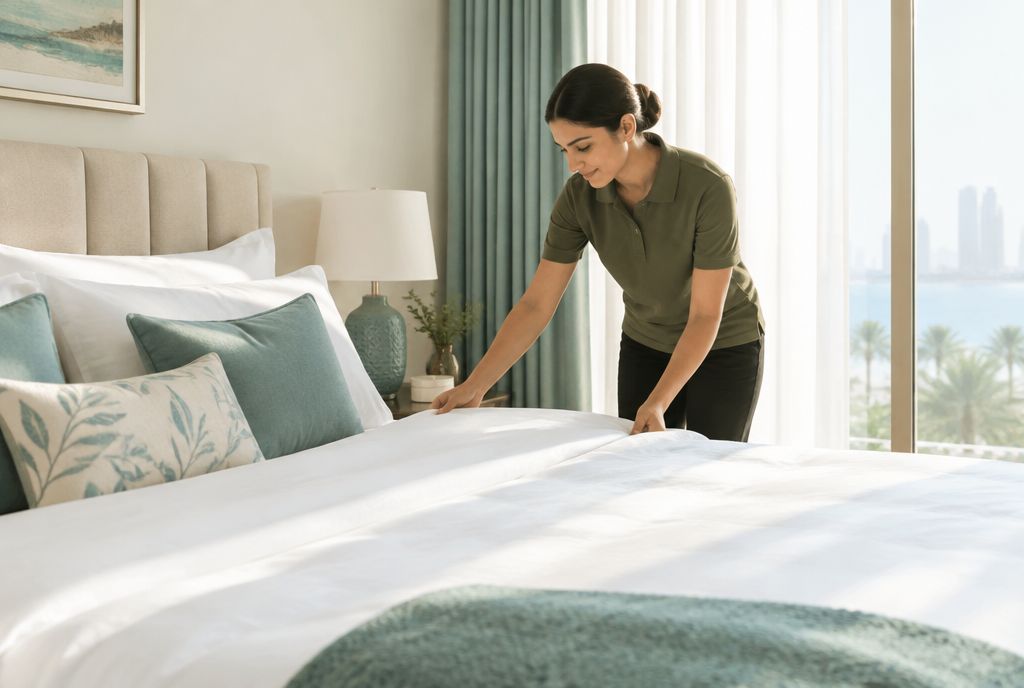
Dust mites are microscopic creatures that live in household dust and feed on the skin flakes people and pets shed. In UAE homes they're most common in mattresses, pillows, sofas, carpets and soft toys, especially in humid bedrooms. You can't get rid of them completely, but regular hot washing, good vacuuming, keeping humidity down and cleaning soft furnishings properly can reduce them a lot.
What dust mites are
Dust mites are tiny relatives of spiders, too small to see without magnification. They don't bite and don't live on people. The problem is their droppings and body fragments, which become part of household dust. For many people these are a common trigger for allergies and asthma, causing sneezing, a blocked or runny nose, itchy eyes, coughing or wheezing, often worse at night or first thing in the morning.
If you or your child have symptoms like these, see a doctor. They can tell you whether dust mites are likely to be involved and what to do about it. The tips below are general household measures, not a treatment.
Why dust mites do well in UAE homes
- Humidity. Mites take moisture from the air, so they prefer humid conditions. Coastal parts of the UAE, Sharjah included, can be humid for much of the year, and bedrooms collect extra moisture from breathing and sweat overnight.
- Warmth. They like warm temperatures, which homes provide year round.
- Food supply. Shed skin from people and pets collects in bedding and upholstery.
- Dust. Fine dust gets into homes easily and builds up in soft surfaces where it's hard to remove.
- Closed homes. When the AC is switched off during summer travel and the apartment is sealed, humidity indoors can rise.
Where dust mites hide
- Mattresses, the biggest reservoir in most homes, because they're warm, slightly damp and full of skin flakes.
- Pillows and duvets, particularly older ones.
- Sofas and upholstered chairs, especially ones used for naps or by pets.
- Carpets and rugs, notably in bedrooms.
- Curtains, which collect dust and are rarely cleaned.
- Soft toys and cushions on children's beds.
- Pet beds.
How to reduce dust mites at home
In the bedroom
- Wash bedding weekly, at 60°C if the care label allows. Hot washing is widely recommended because it kills mites; cooler washes remove some allergen but not as effectively.
- Use allergen-proof or tightly woven covers on mattresses, pillows and duvets. They create a barrier between you and the mites inside.
- Air the bed each morning before making it, so moisture can escape.
- Choose washable pillows and duvets, and replace old pillows.
- Keep soft toys to a minimum on children's beds, and wash them regularly at a temperature the label allows.
Around the home
- Vacuum regularly with a vacuum that has a good filter, including mattresses, sofas and curtains, not just floors.
- Damp-dust surfaces rather than dry-dusting, which sends dust into the air.
- Keep humidity down. Run the AC, ventilate bathrooms and kitchens, and avoid drying laundry indoors in bedrooms where possible.
- Clean AC filters regularly so the system isn't recirculating dust.
- Reduce clutter and fabric surfaces that collect dust, especially in bedrooms.
Don't over-wet when cleaning. Soaking a mattress or sofa and leaving it to dry slowly creates exactly the damp conditions mites like. Any wet cleaning should be followed by fast drying with the AC and good airflow.
Professional cleaning and dust mites
Vacuuming removes surface dust, but mattresses and upholstery hold allergens deeper in the fabric. Professional cleaning with high-powered vacuuming and extraction lifts more of that build-up. It doesn't make a home permanently mite-free, since mites return with time, humidity and skin flakes, so think of it as part of a routine rather than a one-off cure.
Our guide to professional mattress cleaning explains what's involved for mattresses. For keeping sofas fresh between professional cleans, see how to clean a sofa at home. If a pet accident has soaked into a mattress, damp patches can make the problem worse; how to get pet urine out of a mattress covers what to do.
Pets and dust mites
Pets shed skin flakes (dander) too, which adds to the food supply for mites. If a dog or cat sleeps on the bed or sofa, wash their bedding and any throws as often as your own, and groom them regularly. Pet allergies and dust mite allergies are different things, so if symptoms persist, a doctor is the right person to ask.
A simple weekly routine
- Strip and hot-wash bedding.
- Vacuum the mattress, sofa and bedroom floors.
- Damp-dust bedroom surfaces.
- Air the bedroom and keep the AC running in humid weather.
- Check and clean AC filters as the manufacturer recommends.
At Tip Top, mattress, sofa, carpet and curtain cleaning use low-odour, non-toxic products as standard, which matters in bedrooms and homes with children and pets.