
Upholstery
Carpet Shampooing vs Steam Cleaning: Which Is Better for Your Carpets?
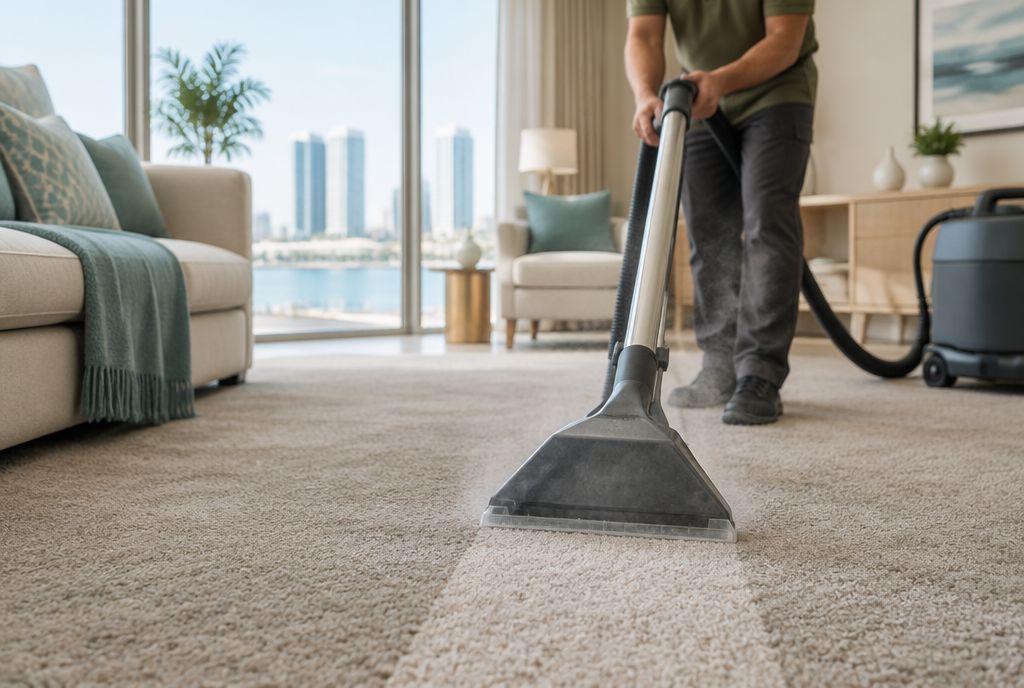
When people compare carpet cleaning vs steam cleaning, they usually mean shampooing compared with hot water extraction. For most synthetic carpets and rugs, steam cleaning (extraction) is the more thorough option because it rinses dirt and residue out; shampooing can lift heavy soiling but needs a proper rinse, or the residue makes the carpet re-soil faster. Delicate fibres may suit neither and need a low-moisture method.
What "steam cleaning" really means
"Steam cleaning" is the everyday name for hot water extraction. The machine sprays warm water mixed with a cleaning solution deep into the pile and immediately sucks it back out, along with the loosened dirt. It isn't actually pure steam. The key is the extraction: strong suction removes most of the water and dirt, leaving the carpet damp rather than wet.
What carpet shampooing involves
Shampooing uses a foaming detergent worked into the carpet with a rotary brush or scrubbing machine. The foam traps dirt as it's agitated. It's then extracted, or left to dry and vacuumed up. Shampooing was the standard method for many years, and it's still useful on heavily soiled, durable carpets because the scrubbing action is strong.
The weak point is residue. If the shampoo isn't rinsed out thoroughly, a sticky film stays in the fibres, attracts new dirt and can make a carpet look grubby again quickly.
Shampooing vs steam cleaning compared
| Shampooing | Steam cleaning (extraction) | |
|---|---|---|
| How it works | Foam scrubbed into the pile, then removed | Solution sprayed in and extracted straight away |
| Good for | Heavy surface soiling on tough synthetic carpet | Deep dirt, allergens and most everyday carpets and rugs |
| Residue | Higher risk unless rinsed well | Lower, as the extraction rinses as it goes |
| Drying time | Can be longer if over-wetted | Several hours, depending on extraction and airflow |
| Re-soiling | Can be faster if residue remains | Usually slower |
| Watch out for | Sticky residue, fibre wear from aggressive brushing | Over-wetting with weak machines; not for water-sensitive fibres |
Which is better for your carpets?
Choose extraction for most homes
For fitted carpets and machine-made synthetic rugs, extraction gives a deeper, cleaner result with less residue. It's also the better choice if anyone has dust or dust mite allergies, since it pulls allergens out rather than just freshening the surface. In Sharjah homes, where fine sand works its way deep into the pile, the rinsing action helps remove what vacuuming leaves behind.
Shampooing still has a place
A professional may use a shampoo or foam pre-treatment on very soiled areas, such as walkways and entrances, and then rinse with extraction. Combining the two gets the scrubbing benefit without the residue problem.
Neither suits delicate rugs
Silk, viscose, "art silk" and some antique or hand-knotted rugs can be damaged by too much water or aggressive brushing. They usually need low-moisture methods and a colour test first. Wool can be cleaned with water, but at the right temperature with a wool-safe product.
Rental machines are not the same as professional extraction. Domestic and rental machines generally have much weaker suction, so they leave more water behind. That means longer drying, more residue and a higher risk of musty smells. If you use one, go easy on the water and dry the room well.
Is one better for pet stains?
Pet urine soaks below the pile into the backing and sometimes the underlay. Surface shampooing rarely reaches it, and the smell often returns. Extraction combined with an odour treatment designed for urine is more effective. If the urine has reached the underlay of a fitted carpet, it may need more than one treatment. For pet urine on a mattress, our guide to getting pet urine out of a mattress covers what you can do at home.
What about allergies and dust mites?
Carpets and upholstery are among the places dust mites and their allergens collect. Regular vacuuming with a good filter vacuum and periodic extraction cleaning help reduce them, as long as the carpet is dried properly afterwards, since mites thrive in damp fabric. See dust mites in UAE homes for more. If allergy symptoms are troubling you, see a doctor.
Questions to ask a carpet cleaner
- Which method will you use for each carpet or rug, and why?
- Do you vacuum thoroughly before the wet clean?
- How do you avoid leaving residue?
- How long should it take to dry?
- Will you test for colour fastness first?
The same questions apply to sofas and mattresses, which are cleaned with similar equipment; see professional mattress cleaning and how to clean a sofa at home for upkeep between visits.